Waterfront Architecture: How Coastal Harbours and Promenades Shape Maritime Cities
Coastal urban architecture balances structural flood defenses with open public promenades that define the maritime character of waterfront cities.
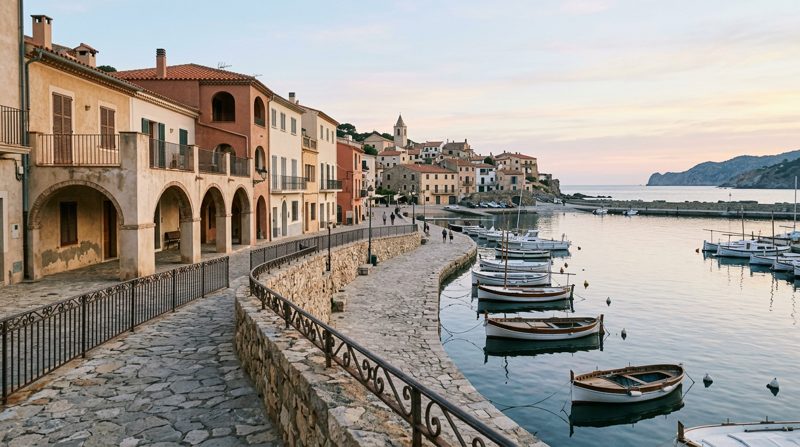
The Design of Coastal Promenades and Waterfront Structures
Cities built along maritime shorelines rely on deliberate urban planning to integrate terrestrial neighborhoods with coastal waters. Waterfront promenades act as pedestrian corridors, frequently incorporating open arcades, stone-paved walkways, and shade structures engineered to buffer coastal breezes while preserving unobstructed views of the sea. Mediterranean architectural principles, such as light stucco facades, covered loggias, and low-rise building footprints, are commonly adopted along warm-climate waterfronts to harmonise built structures with the surrounding environment.
Beyond visual aesthetics, the architectural layout of coastal walkways addresses practical marine engineering requirements. Seawalls, stepped embankments, and boardwalks must withstand saltwater exposure and tidal variations while maintaining safe, continuous access for pedestrians. Integrating native coastal vegetation and permeable surface materials helps manage runoff, creating a functional transit zone between urban street grids and the ocean shoreline.
Maritime Harbours and the Spatial Dynamics of Urban Port Infrastructure
Harbours serve as physical anchors for coastal metropolitan centers, dictating how marine traffic interacts with land-based architecture. The design of piers, seawalls, and deep-water basins determines the structural flow of coastal transit while creating protected zones for vessel mooring.
The spatial management of maritime basins highlights the balance between public urban spaces and private navigation. In modern coastal cities like Dubai, maritime infrastructure accommodates specialized charter fleets, as seen with travelers utilizing Marisur Yachts to step aboard a private motor yacht for navigation through deep-water channels. While such vessel operations provide mobile offshore access, static harbour architecture focuses on land-bound pedestrian access and permanent berth layouts.
Ultimately, the connection between shorelines, harbour basins, and architectural promenades determines how coastal cities function. Through structured urban design, waterfront environments remain accessible, durable, and integrated with marine activity.
Read next
- Special Offers Explore exclusive packages and discounts for your stay at the Impala Hotel in Miami Beach.
- Style & Architecture An architectural jewel in the heart of South Beach featuring Spanish Mediterranean Revival style and Mediterranean touches.
- Family Activities in Miami Beach Discover family-friendly activities and attractions around Miami, from wildlife parks to historic state parks.